We’re Escapologists

Escape is thrilling: the wind rushing through your hair as you scarper as quickly as possible, resisting the temptation to look back to see if they’ve found your note yet.
It can be an unbeatable high. But it can also be the most reasonable, economical and practical course of action.
Not that you’d necessarily know it. We’re not generally encouraged to see commitments to things like work or shopping as the traps they are and as such escapable. British culture instead promotes endurance, to grin and bear it no matter how bored or miserable you are. American culture encourages fight over flight, to go down with all guns blazing.
There aren’t enough people saying “Sod this. I’m getting out of here. Pass me the good tunnelling spoon.”
Those who give up and walk out are too often considered cowardly, uncommitted or, oh dear, “a quitter”. The pupil escaping double maths by playing truant is punished. Those who escape the workforce are considered lazy or wasted or eccentric. Emigrants are viewed with suspicion, though their only crime was to stray from the landmass they happened to be born on.
This is all rather silly. We should respect people who take action by quitting the jobs they hate, leaving the partners they no longer love, fleeing the cities they find depressing, and abandoning traditions in which they find no value.
The will to flee was once considered a mental illness. Drapetomania was the apparent madness responsible for a plantation slave wanting to escape his captors. An American physician called Samuel A. Cartwright named the condition and explained that it could be seen where a slave became “sulky and dissatisfied without cause” and could be prevented by “whipping the devil out of them”.
In his eyes, being forced into backbreaking unpaid servitude was not considered adequate cause for “dissatisfaction”.
The Nazis were anti-escape too. Those who attempted (or were thought to be plotting) escape from concentration camps were branded with a Fluchtverdächtiger badge in addition to the badge representing whatever crime against Fascism had originally brought them to the camp. Not only was it awful to be born Jewish or gay or simply workshy, it was equally contemptible to want to escape being worked to death or gassed.
Today, a CV overflowing with short-term or dissimilar jobs is seen as unprofessional or belonging to an unfocused, undisciplined individual rather than, as the case may be, someone who is sporting or widely-experienced. Frankly, a CV professing no deviation from a single career plan can only belong to a liar or a twat but employers don’t often seem to notice this.
Slave owners, Nazis and HR Managers. Those are the kinds of people who oppose escape.
Against the grain, some of us are happy to walk out on a displeasing situation. We’re Escapologists.
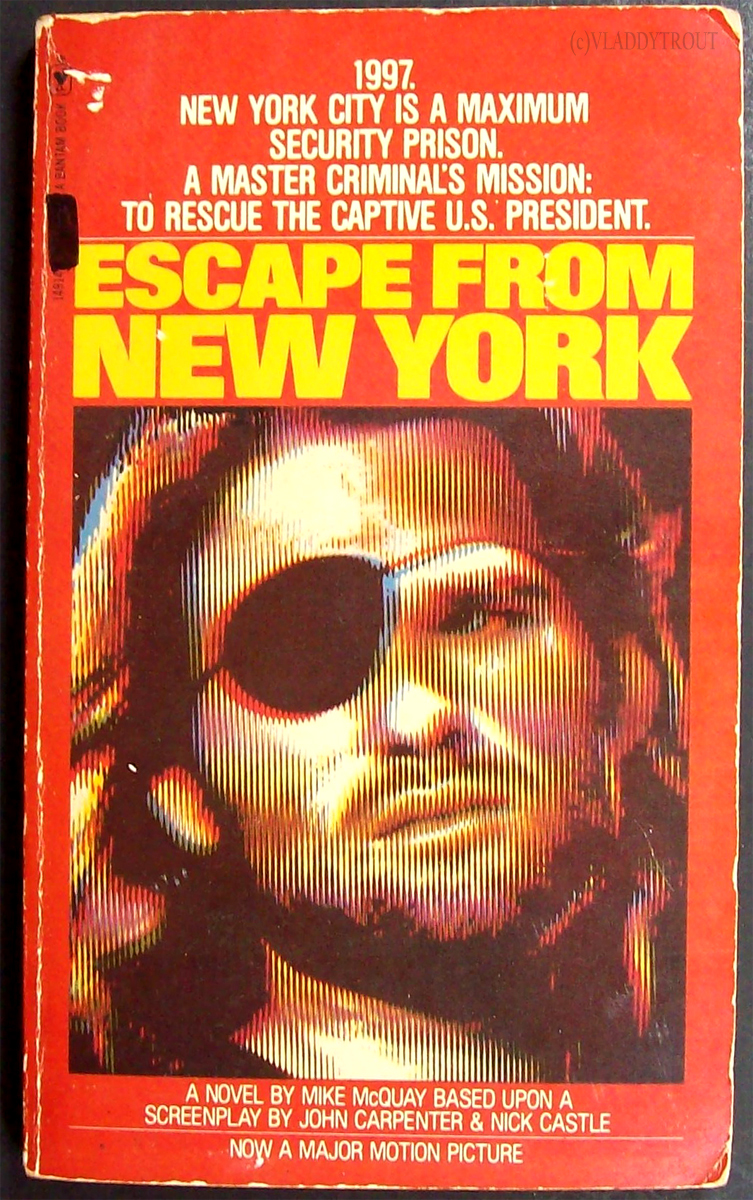
We Offer You Escape!
A clipping from the first promotional email sent out by the publisher.

That tagline, by the way (“Ladies and gentlemen, we offer you escape!”) comes from a 1950s adventure radio series called Escape. I’ll tell you a little more about that some time.
Please consider backing the book if you’ve not already (and many thanks to everyone who has helped us get to 20% after just two days).
Should we make it, it’ll be a beautifully-designed book and a definitive and witty guide to Escapology and the good life. Help fund the project today.
Coming Soon: The Most Important Book in the World

Ladies and Gentlemen, we offer you escape. Escape from work, escape from consumerism, escape from loneliness and despair. This book shows once and for all that escape is possible for those who want out.
Well, folks. It’s the long-awaited Escape Everything!, the [potential] New Escapologist book.
If the plan works, the book will be published by Unbound (a company set up by people from QI and the Idler — perfect for us) and distributed by Faber.
Needless to say, this is a very big deal for New Escapologist.
We’re dependent, however, on reaching a certain number of pre-sales.
If you’d like to see this on the shelves of bookshops (and on your own personal bookshelves or in your eBook reader), please (please!) go here to help fund the book.
Do we know what kind of life we want?
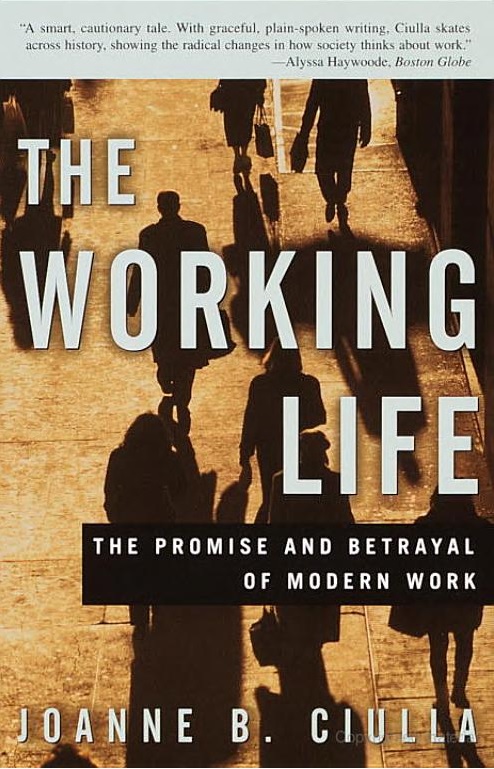
I just finished reading Joanne B. Ciulla’s book The Working Life: The Promise and Betrayal of Work.
I’d selected it with the intention of finding a useful quote for something I’m working on, but wound up reading it cover to cover.
It’s excellent. So usefully critical and written with personality and lightness of touch.
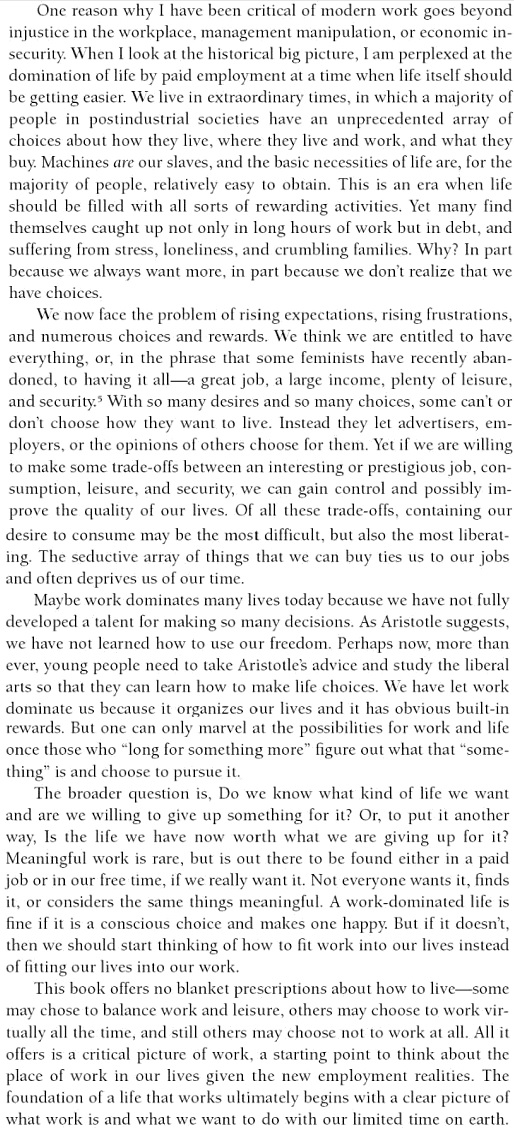
It could almost be a prologue to Escapology. Look at this piece of the epilogue:
*
In other news, please consider joining our mailing list to get the free twice-yearly New Escapologist newsletter. Just complete this little form:
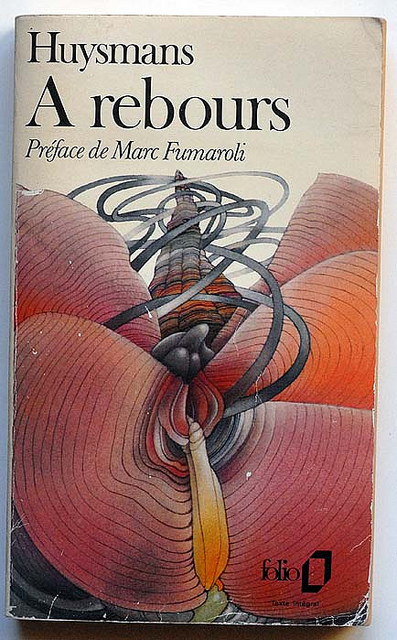
A Rebours
I’ve been writing a piece about the challenges (and merits) of the escape from convention.
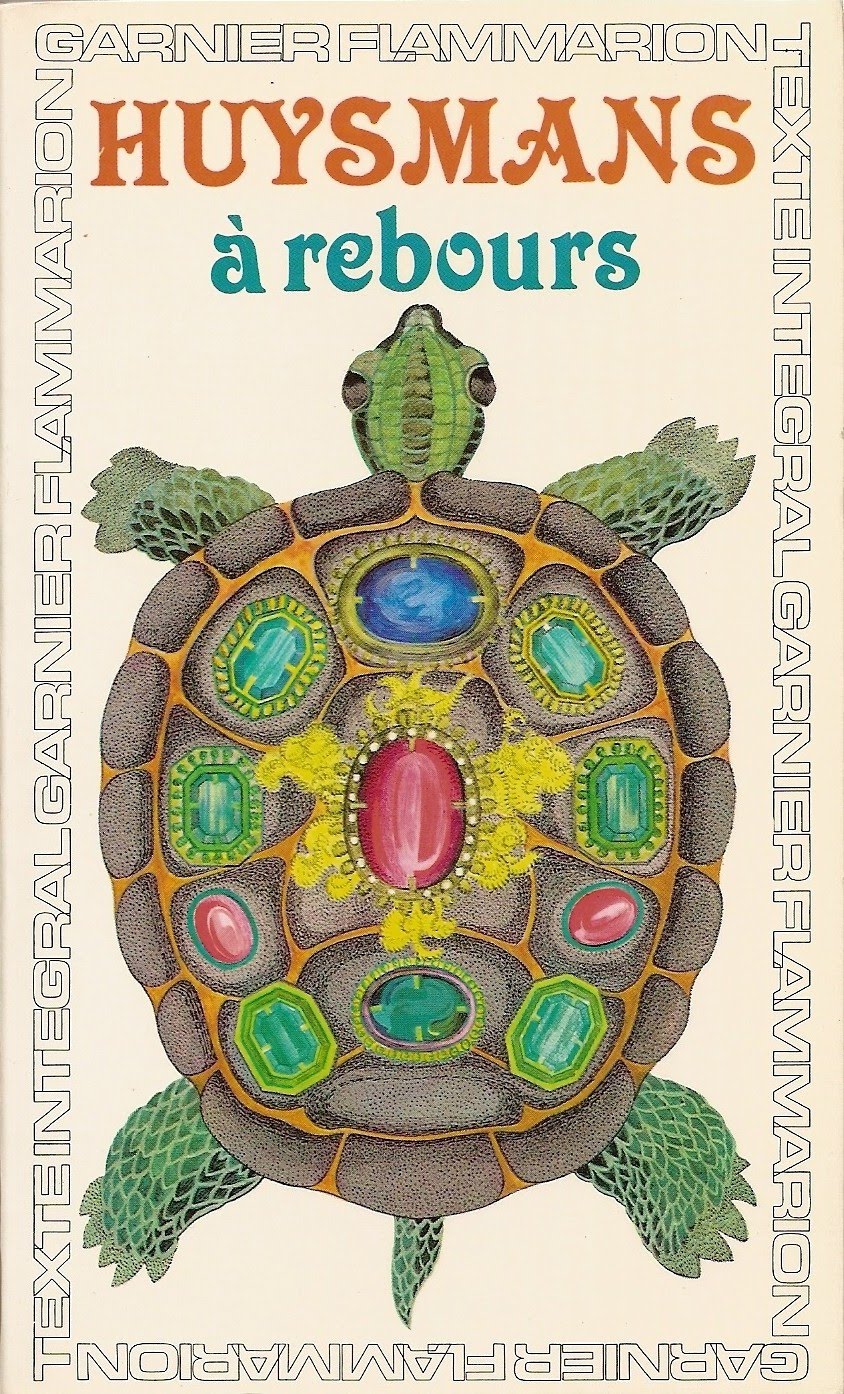
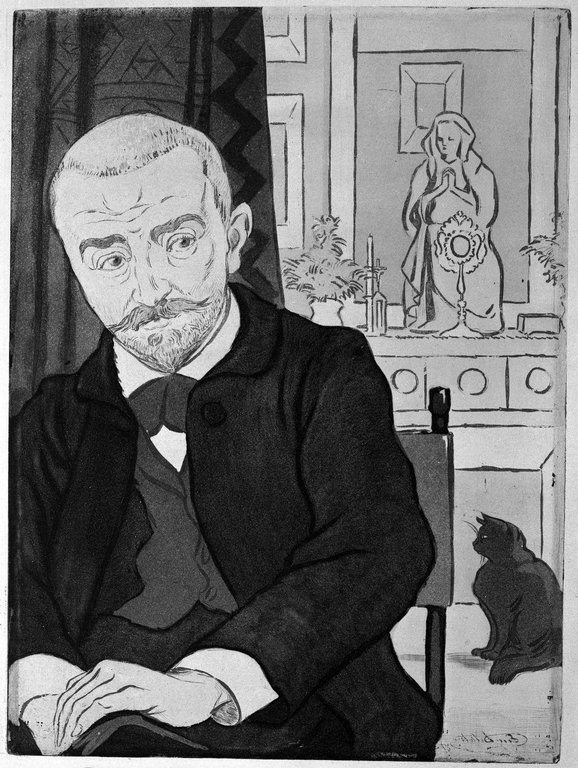
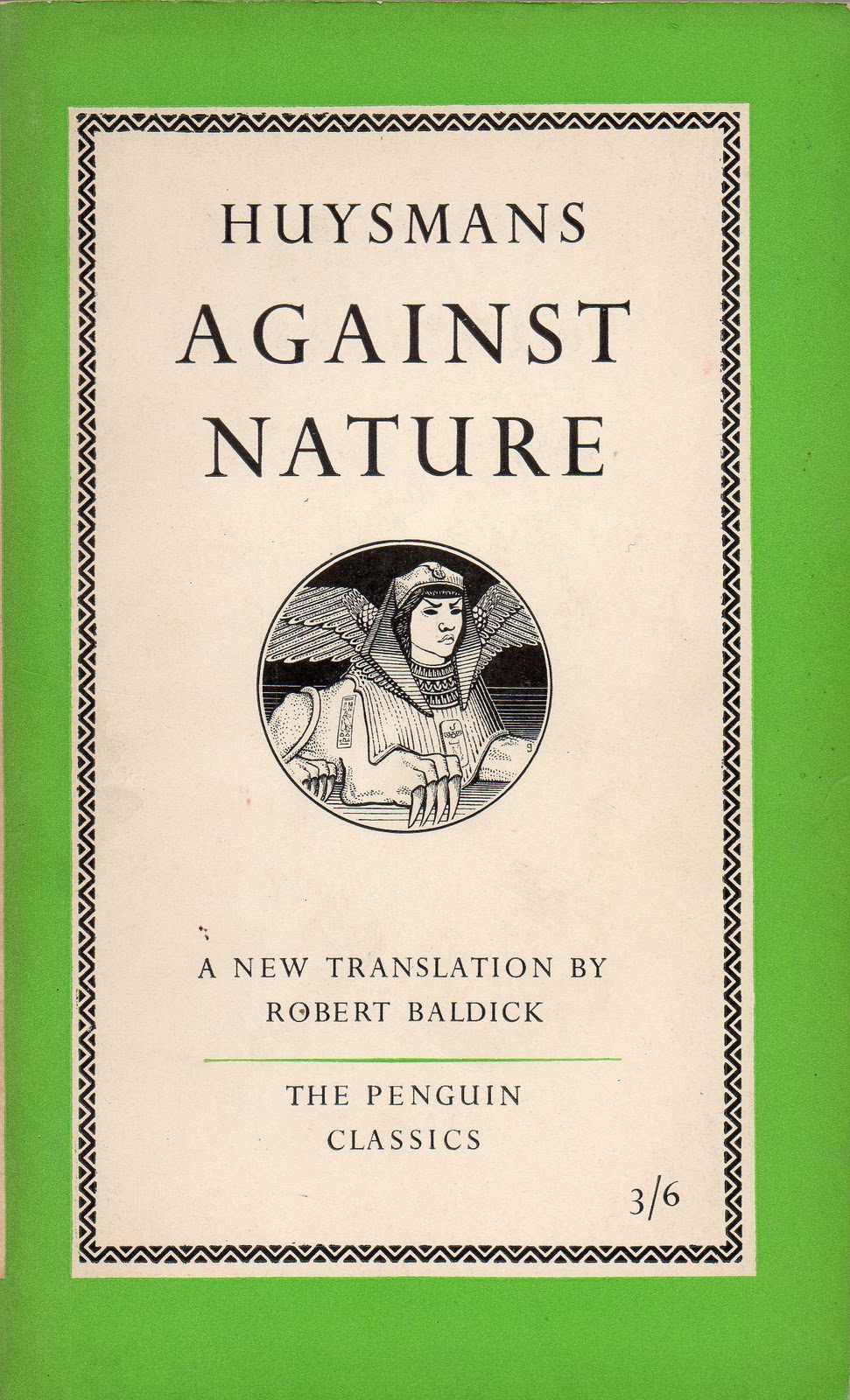
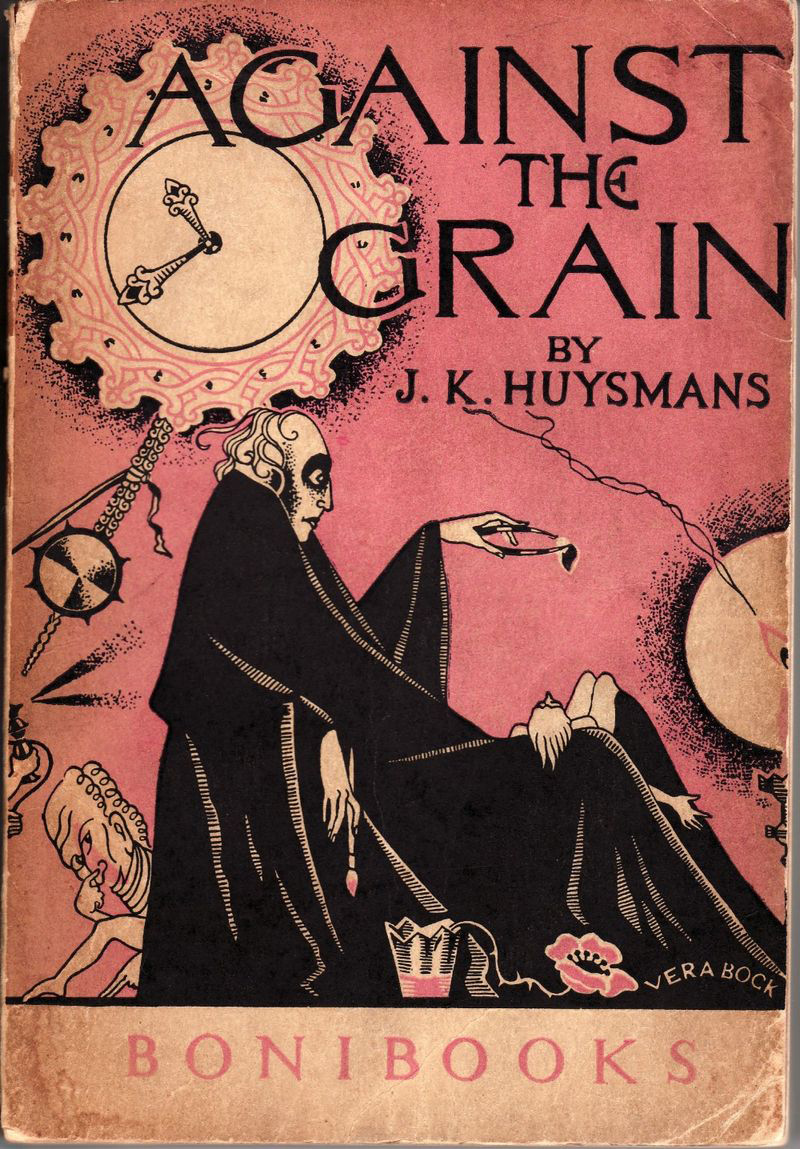
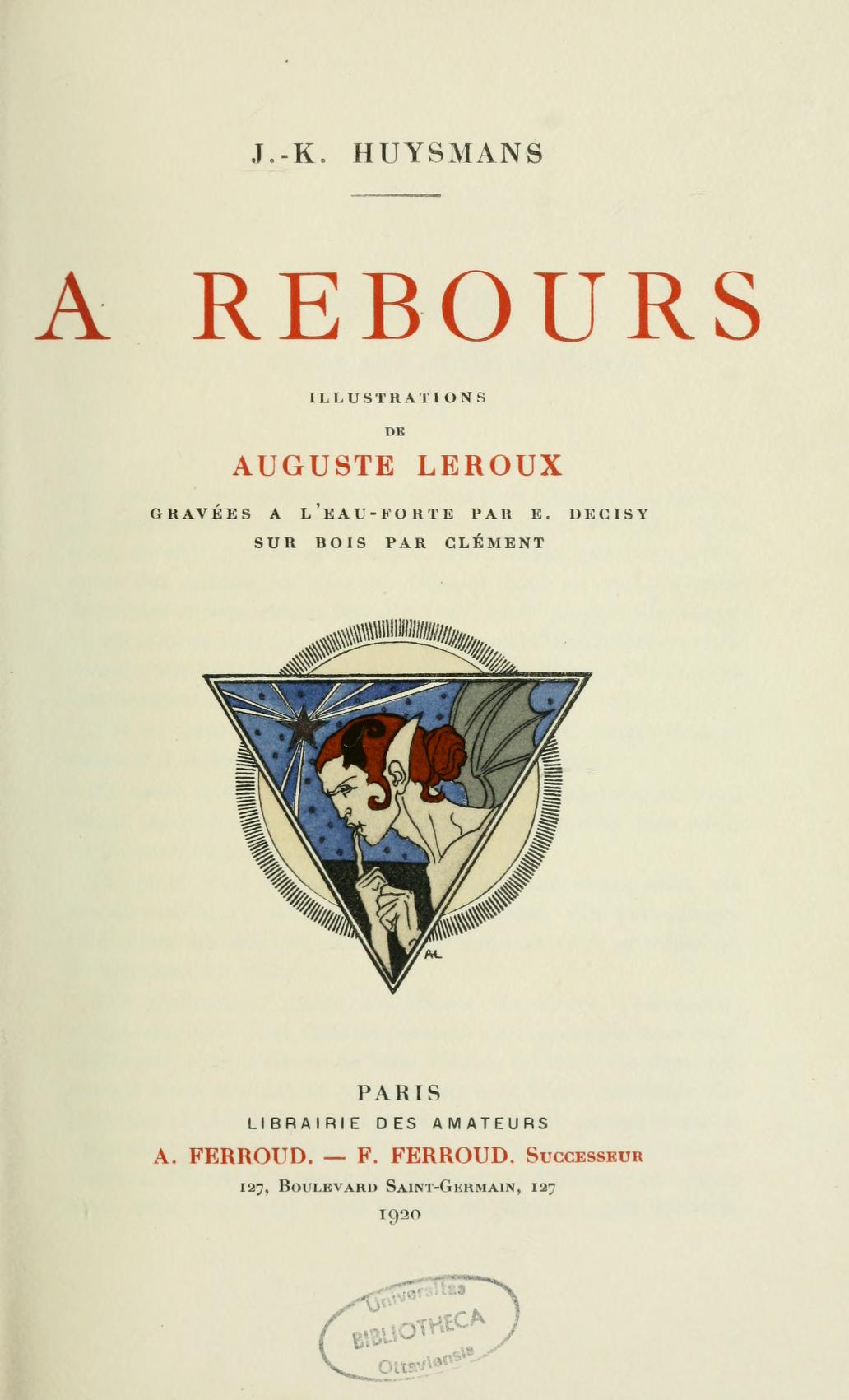
It put me in mind of À rebours. Look at these nice covers!



*
In other news, please consider joining our mailing list to get the free twice-yearly New Escapologist newsletter. Just complete this little form:
Changing Attitudes
[The proposals of Carlos Slim and others to work fewer hours and to maximise leisure] are lovely utopian ideas, but they also seem quaintly out of place in an age where work has expanded, like the Stay Puft Marshmallow Man, to invade every hour of waking life.
Elizabeth Renzetti of the Globe & Mail sits on the fence somewhat, but nails the fact that we need to change our societal attitude towards work.
It’s fine to talk about taking more vacation or working fewer hours, but attitudes would need to be adjusted alongside punch clocks. As the Washington Post reporter Brigid Schulte writes in her enlightening new book Overwhelmed, we have become addicted to busyness. Psychologists, she writes, talk of “treating burned-out clients who can’t shake the notion that the busier you are, the more you are thought of as competent, smart, successful, admired and even envied.” To be on the brink of collapse, perversely, is the height of success.
Seeming busy is not important and it’s about time we all understood that. We need to develop the idea that the person with the most idle time–not the person most harried–is the winner.
Buy the new Issue Ten in print or PDF today.
Buy the complete back catalogue of New Escapologist with a 10% discount.
Or buy the complete back catalogue on PDF, with £1 off the price each issue.
Billionaire Calls for Three-Day Workweek
Second-wealthiest Earthling Carlos Slim suggests we adopt a three-day workweek.
“With three work days a week,” he says, “we would have more time to relax, for quality of life.”
Alas, he also suggests we work longer shifts (grueling 11-hour days) to offset the loss of earnings and productivity, so it’s not entirely an idler-friendly idea. This being said, a 33-hour workweek is still shorter than the currently typical 40.
It’s a better-organised approach to labour. Since a worker is basically knackered and good for nothing but a quick dinner and a DVD box set after eight hours of work, she might as well go the extra mile and work into the night if it results in fewer commutes and a routine four-day weekend.
If dudes of establishment renown like Carlos Slim, Larry Page and Professor John Ashton are calling for less-orthodox work schedules, maybe employers will begin to look more favorably upon the flexier work modes more generally. Part-time work, for example, should be more readily available to everyone: something I’ve long-thought could be the solution to the “Freedom versus Security” problem for most people.
It occurs to me I’ve been sounding a bit like an organizational psychologist lately, but in a world where billionaires and top doctors are starting to sound like Escapologists, anything’s possible.
To make up for it, here’s a picture of a tortoise eating a strawberry:

Buy the new Issue Ten in print or PDF today.
Buy the complete back catalogue of New Escapologist with a 10% discount.
Or buy the complete back catalogue on PDF, with £1 off the price each issue.
Post-Scarcity

Rare things (gold, love, flow) are usually worth seeking out and holding onto. Less rare things (plastic bags, recent superhero movies, dust) are usually not.
You don’t normally find gold nuggets lying around in the street and you don’t usually have to stockpile tap water.
The more scarce a commodity, the more valuable. The less scarce a commodity, the closer it is to being garbage.
Maybe one day — through technology — no commodity will be scarce. Everyone will share unlimited abundance. This design is called a post-scarcity society and is fueled by post-scarcity desires and post-scarcity economics. The word ‘rare’ will come up primarily in steak houses.
Most of us would see post-scarcity as a beautiful Utopia: enough for all, no poverty, no insatiable commodity lust. Post-scarcity Anarchists believe the Utopia’s already here (or at least already possible if only we’d distribute the abundance more evenly).
Many of you will know of my aloofness to material goods. By choice, I don’t own much of anything. My idea of heaven is a spartan, minimalist enclave where nothing exists save for the relevant, the useful, the beautiful. Most people share this sentiment but don’t observe it, or their definitions of relevance, utility and beauty are broader than mine.
A good guide for deciding what to keep and what to jettison as a minimalist is to “act as if” we have a post-scarcity economy. This way, you’re more likely to keep things of value and less likely to waste your time fussing over garbage.
I have a friend who isn’t a minimalist and doesn’t think in post-scarcity terms. He’s a spectacular fellow, but he basically lives in a man-shaped cavity in a cube of refuse.
He accumulates all manner of stuff. A thousand DVDs, hundreds of books, a graveyard of superfluous kitchen equipment (salad spinners and the likes). The effect is of a clogged-up nest, a hoarder’s den, the walls closing in, empty space at a premium. His home is the very antitheses of minimalism.
If he likes to live this way, so be it. But he “acts as if” airport paperbacks and unused kitchen appliances were somehow scarce; as if having them in his proximity at all times is worthwhile; as if it gives him some advantage.
He thinks his stuff provides an advantage because he thinks he still lives in a pre-scarcity world: a world where there aren’t enough salad spinners to go around. He thinks he’s richer than his neighbour because he hasn’t noticed that these things are in massive abundance.
The kind of books he’s accumulated, for example, are not scarce. Should one of his books vanish or be destroyed, he’d be able to replace it in moments. The local library undoubtedly has a copy, as will the local bookstore. eBay is chock full of them. A digital edition floats in the ether, ready to be captured at a moment’s notice. To all intents and purposes, this book is not scarce.
Realising that these things are not scarce leads one to believe that maybe we really do have a post-scarcity society already. What, really, is scarce any more? For what do we want today?
If an era, as Arthur Miller said, is over “when its basic illusions are exhausted,” maybe we’re at the end of the era of scarcity?
Buy the new Issue Ten in print or PDF today.
Buy the complete back catalogue of New Escapologist with a 10% discount.
Or buy the complete back catalogue on PDF, with £1 off the price each issue.
The Condensed Minimalist
There has, ironically, been a lot said about minimalism in books and online. But to live minimally really just requires adherence to two simple objectives:
1. Don’t buy or otherwise acquire anything inedible;
2. Rid yourself of anything not frequently useful or aesthetically pleasing to you.
That is the whole of the law!